
 Switch
 Homepage
 facebook
 IG
IG
 Other Hospital
 CMUH App

Coronary Heart Disease (CHD) is the most common heart disease. The so-called “coronary artery” to the arteries located on the surface of the heart responsible for supplying blood and nutrients to the heart. The blood and nutrients will not be able to pass through in case of narrow blood vessels or obstruction, which will lead to myocardial ischemia and therefore trigger angina pectoris; sometimes it could cause arrhythmia, acute myocardial infarction, heart failure, and even sudden cardiac death. This is known as the coronary artery disease.
The size of the heart of healthy adults is a muscular pump weighing about 200 ~ 300 grams, which delivers blood to the whole body through the circulation system every day. The heart may be filled with blood but the cardiac cells could not acquire oxygen and nutrient from the blood directly but must rely on the two coronary arteries to transmit blood to the cardiac muscle cells.
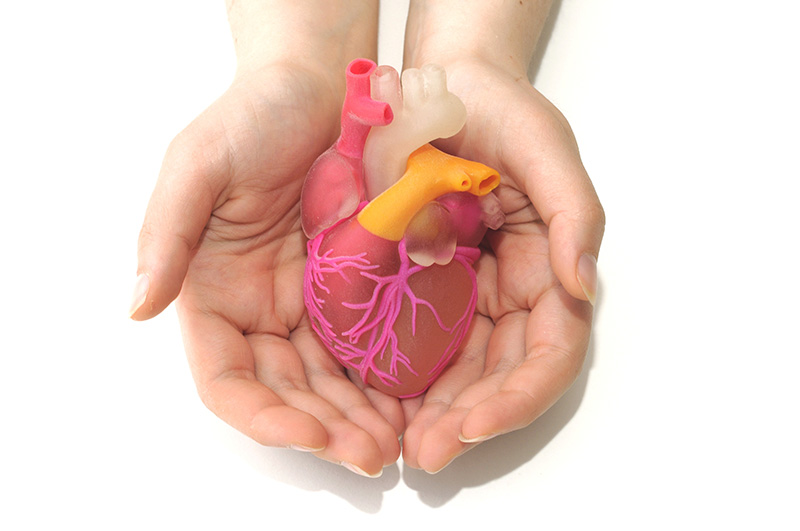
Coronary Arteries
The coronary arteries originate from the root of the aorta and are divided into two main systems: the left and right coronary arteries. The left main coronary artery (LMCA) further branches into the left anterior descending artery (LAD) and the left circumflex artery (LCx). Together with the right coronary artery (RCA), these vessels form the three major coronary arteries.
These coronary arteries and their branches surround the heart and are responsible for supplying oxygen and nutrients to the myocardium. When any of these arteries becomes narrowed or obstructed, myocardial perfusion is compromised, which can impair cardiac function. Therefore, maintaining adequate patency of the coronary arteries is essential for normal heart function.
- Left Coronary Artery
Responsible for supplying blood to left myocardium. It is further split into left anterior descending and left circumflex, where the left anterior descending is responsible for left ventricle anterior muscle and the left circumflex responsible for the muscles in left ventricle lateral and posterior.
- Right Coronary Artery
Providing blood to the right myocardium and is responsible for the muscles in right ventricle and left ventricle inferior.
 Facebook
 IG
IG
 YouTube