
 Switch
 Homepage
 facebook
 IG
IG
 Other Hospital
 CMUH App
Rheumatology and Immunology Center
Rheumatology and Immunology Center
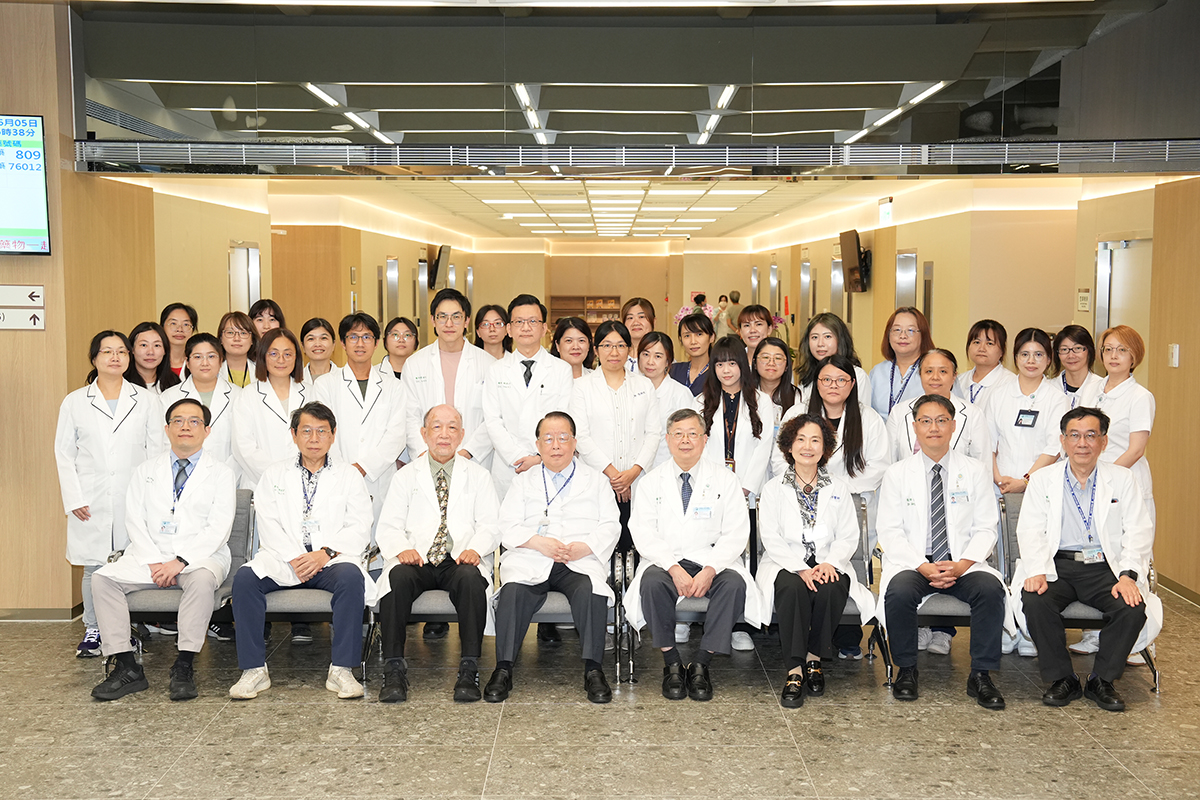
Department Introduction
Rheumatology and Immunology Center
China Medical University Hospital (CMUH)
A World-Class Hub for Rheumatic, Immunologic, and Allergic Diseases
The Rheumatology and Immunology Center of China Medical University Hospital (CMUH) is the principal tertiary referral center for autoimmune, autoinflammatory, and allergic diseases in central Taiwan, and one of only a handful of institutions in the Asia-Pacific region accredited as an APLAR Center of Excellence by the Asia Pacific League of Associations for Rheumatology (2018–2026). What began in 1987 as the Division of Allergy, Immunology, and Rheumatology has, through nearly four decades of clinical, academic, and translational growth, evolved into a multidisciplinary center that handled approximately 88,000 outpatient visits in 2024 and serves patients referred from across the island and beyond.
Our mission is to promote the comprehensive health of patients living with rheumatic, immunologic, and allergic disease, guided by the conviction that excellence in clinical care, scholarship, and innovation must reinforce one another. Our vision is to become a leading center of integrated Western and Traditional Chinese Medicine for rheumatic, immunologic, and allergic conditions in the Asia-Pacific region—a place where patients receive holistic care, where clinicians are trained as both competent practitioners and educators, and where laboratory discovery is rapidly translated into therapies that change lives.
Service
Clinical Services and Patient Care
The Center provides comprehensive diagnostic and therapeutic services for the full spectrum of immune-mediated diseases: systemic lupus erythematosus, rheumatoid arthritis, ankylosing spondylitis and the broader spondyloarthropathies, dermatomyositis and polymyositis, systemic sclerosis, vasculitis, Sjögren's syndrome, adult-onset Still's disease, gout, osteoarthritis, soft-tissue rheumatism, and the connective-tissue-disease-associated complications of interstitial lung disease and pulmonary arterial hypertension. On the allergy and immunology side, we manage allergic rhinitis, asthma, chronic urticaria, atopic dermatitis, food and drug hypersensitivity, primary immunodeficiencies, and other complex immune disorders.
Our diagnostic capabilities include synovial fluid analysis, HLA and other immunogenetic testing, comprehensive autoantibody panels (including the assays for emerging myositis-specific and scleroderma-specific antibodies), allergen testing with autologous serum skin tests, high-resolution musculoskeletal ultrasonography, nailfold capillary microscopy, salivary gland function testing, and dynamic immune-function assays.
Outpatient clinics run six days a week with morning, afternoon, and evening sessions, supported by inpatient wards (including dedicated specialty beds) and 24-hour emergency consultation. Beyond general rheumatology clinics, we operate specialty clinics for CTD-ILD, pulmonary hypertension, comorbidity assessment, allergic disease, and integrated Western–Chinese medicine—the last in long-standing collaboration with five board-certified TCM specialists led by Professors Heng-Hung Chang and Lun-Chien Lo. Our PAH and ILD multidisciplinary teams have together enrolled more than 360 patients across the past five years through cross-departmental collaboration with the Cardiovascular Center, the Hyperbaric Oxygen Center, and the Chest Critical Care Center, with annual targets of 35 new pulmonary hypertension cases and 50 new CTD-ILD cases. A new collaboration with the Spine Center, launched in 2024, provides integrated postoperative care and outcomes tracking for rheumatic patients undergoing spinal surgery.
A Holistic, Patient-Centered Care Model
In 2018 the Center became the first in Taiwan to create a holistic care model for rheumatic disease that systematically combines comorbidity evaluation with personalized therapy. Recognizing that patients with chronic inflammatory disease carry elevated risk for cardiovascular events, interstitial lung disease, osteoporosis and fragility fractures, and depression, we built a cross-specialty team that includes pulmonologists, cardiologists, orthopedic surgeons, psychiatrists, dietitians, physical and occupational therapists, respiratory therapists, psychotherapists, and social workers working in concert with our rheumatologists and allergists.
This “three-stage, five-level” prevention framework—health promotion, early detection, targeted treatment, complication control, and functional rehabilitation—was honored with the Symbol of National Quality (SNQ) for “Comorbidity Assessment and Personalized Treatment” (2021–2023). A second SNQ (2022–2024) followed for our diagnostic and treatment program for adult-onset Still's disease, and in 2023 the Center received the National Healthcare Quality Award, designating it a Center of Excellence for clinical standards in Taiwan.
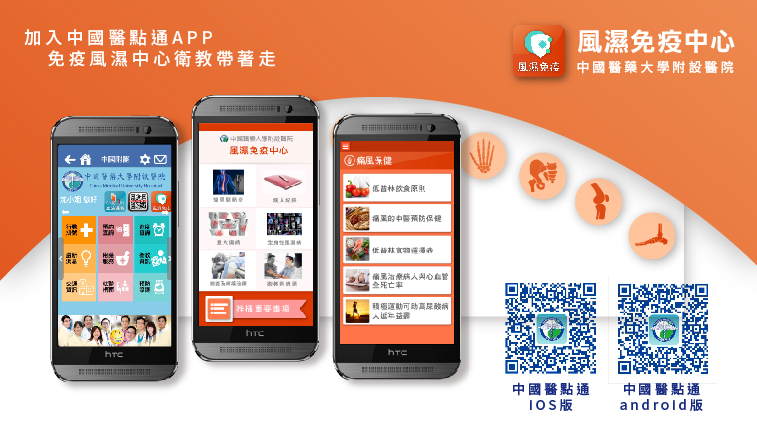
Several systems make this model work in daily practice. Our real-time disease-activity dashboard displays DAS28, BASDAI, PASI, PsA composite scores, and patient-reported outcomes for every patient at the point of care, helping the clinician and the patient pursue treat-to-target therapy together. Our electronic shared decision-making (SDM) platform structures conversations about biologic and JAK-inhibitor selection, with built-in risk assessment and patient education; medication adherence beyond one year now exceeds 96 percent. A risk-management program (RMP) screens for and monitors latent tuberculosis and viral hepatitis in every patient considered for immunosuppression. The PHQ-9 and PDCA cycles are used quarterly to identify and treat depression in our cohort, with referral pathways into psychiatry and psychotherapy. Our cloud-based health education platform, complemented by a smartphone app, extends education and self-management support to patients and their caregivers beyond the clinic walls—a feature that proved particularly valuable during the COVID-19 pandemic.
The Center's “all-in-one-step” service consolidates clinical examination, ultrasonographic assessment, decision-making, and patient education within a single visit, reducing the burden of return appointments and shortening time to therapy. Patient satisfaction has consistently exceeded 90 percent for outpatient and inpatient services, and exceeded 95 percent for patient education programs, since 2018.
Research and Innovation
Research at the Center is organized around five strategic priorities: identification of diagnostic and predictive biomarkers; integration of basic and clinical investigation; multi-omics for precision medicine; artificial intelligence in rheumatology; and investigator-initiated clinical trials, including cell-based therapies.
A flagship achievement is the “Anti-Inflammation Chip” (智抗炎), a precision-medicine diagnostic that combines whole-genome sequencing, peptidomics, exosomal profiling, and microRNA analysis with machine-learning algorithms to predict individual response to TNF inhibitors and JAK inhibitors in rheumatoid arthritis. The platform won the 21st National Innovation Award in 2024, has been filed with the Taiwan Intellectual Property Office and the United States Patent and Trademark Office, and is now being adapted into laboratory-developed tests in partnership with CMUH's central laboratory.
A second major program is the Center's Phase I/IIa investigator-initiated trial of allogeneic adipose-derived mesenchymal stem cells (AD-MSCs) for refractory or rapidly progressive CTD-ILD, approved by Taiwan's Ministry of Health and Welfare in December 2022. As of December 2024, four CTD-ILD patients have received AD-MSC therapy under this protocol, with the trial scheduled to complete in 2026 and with technology transfer to a system-affiliated company already arranged. The program represents one of the first stem-cell trials worldwide targeted specifically at connective-tissue-disease-associated lung fibrosis.
Other active research streams include translational work on exosomal microRNAs as therapeutic targets in CTD-ILD, the pathogenic role of neutrophil extracellular traps in adult-onset Still's disease, the immunogenetics of inflammatory myopathies (with particular attention to TIF1 and NXP2 in cancer-associated myositis), gut microbiota studies in spondyloarthropathies, dysregulated lipoprotein subfractions in atherosclerosis-related markers across rheumatic disease, and large-scale real-world analyses of cardiovascular and malignancy risk in rheumatoid arthritis drawn from the hospital's Hai-Yun data warehouse. The Center participates in 14–15 international multi-center clinical trials annually and leads at least one investigator-initiated trial each year. Sustained extramural funding from Taiwan's National Science and Technology Council—including a three-year industrial-collaboration grant on a Precision Test Kit for the Diagnosis of Rheumatoid Arthritis—anchors this portfolio.
Faculty publications appear regularly in journals including The Lancet Rheumatology, Arthritis & Rheumatology, Annals of the Rheumatic Diseases, Rheumatology (Oxford), and Frontiers in Immunology. Several Center faculty are listed among the world's top two percent of scientists in the Stanford-Elsevier global ranking.
Education and Training
As an APLAR Center of Excellence, the Center is a teaching institution at every level. We host medical students from China Medical University, internal-medicine residents, fellows in rheumatology and clinical immunology, master's and doctoral candidates, and postdoctoral researchers in immunology and translational medicine.
Our structured fellowship program offers three tracks: hands-on patient care with case-based learning, communication-skills development, and integration of imaging into bedside diagnosis; musculoskeletal ultrasound training spanning didactic teaching, hands-on workshops, and image interpretation; and clinical research training with an emphasis on translational science, biomarker assays, flow cytometry, and manuscript writing. The Center welcomes fellows of the APLAR Fellowship Programme and the APLAR-CoE Exchange Programme, providing tuition-free training, accommodation and local transport, and a daily living stipend for visiting fellows.
We use a blended education model that combines problem-oriented case discussion, project-based learning, simulation, Direct Observation of Procedural Skill (DOPS) and Mini-CEX assessment, and interactive digital tools. Six core competencies—medical knowledge, patient care, professionalism, interpersonal and communication skills, system-based practice, and practice-based learning—anchor every track. Faculty have been recognized with Outstanding Teaching Awards and Excellent Educator designations at both CMUH and China Medical University.
International Recognition and Collaboration
The Center is a reference center for APLAR clinical guidelines and contributes actively to international consensus statements. We have also been invited to participate in the Newsweek World's Best Specialized Hospitals ranking process, with the goal of placing among the Asia-Pacific top 100 in rheumatology. We collaborate on translational projects with research groups in Japan, Korea, France, and the United States, and have received visiting fellows and short-term research trainees from regional partners including National Cheng Kung University Hospital and Taichung Veterans General Hospital.
Looking Forward
Our roadmap for the coming five years builds directly on the strengths above. Clinically, we aim to consolidate the Center's role as the leading Asia-Pacific care hub for autoimmune ILD and pulmonary hypertension, expand our cell-therapy portfolio from CTD-ILD into lupus nephritis, systemic sclerosis, and idiopathic pulmonary fibrosis, and pilot CAR-T cell approaches for refractory autoimmune disease. In research, we will continue translating the Anti-Inflammation Chip and exosome-based diagnostics into commercial assays through industry-academia partnerships, while maintaining a steady output of high-impact publications. Educationally, we will scale international exchange and dispatch faculty for short-term overseas training to deepen our networks across the region.


 Facebook
 IG
IG
 YouTube